


A specialist children’s doctor who flagged suspected medical child abuse in a young patient says it was a huge call to make.
Consultant paediatric gastroenterologist Dr Amin Roberts told the High Court an accusation of medical child abuse was difficult to prove, and could potentially damage the relationship between a doctor and a family, and therefore the child needing treatment.
“As medical professionals we need to maintain therapeutic relationships with the families.
“It would be very destructive and counterproductive to raise the possibility of medical child abuse, or accuse a family if in fact that was not the case,” Roberts said.

Dr Amin Roberts, a paediatric gastroenterologist who diagnosed suspected medical child abuse in a young patient who was referred to him. He gave evidence in the trial underway in the High Court at Nelson, now in its fifth week. Photo / Norrie Montgomery
However, in the case of Child X, he alleged there was no other explanation after lengthy and detailed efforts by a string of medical specialists and nursing staff to get to the bottom of what was wrong.
Trial enters fifth week
Roberts gave evidence on Monday at the start of the fifth week of the trial underway in Nelson, for a mother accused of abusing her child during medical treatment.
The mother, whose name is suppressed to protect the child’s identity, has pleaded not guilty to four charges of ill-treating a child and three charges of infecting with disease.
The mistreatment was alleged to have occurred over a 19-month period. The allegations arose from medical interventions required for the child’s assisted feeding and treatment for complex intestinal failure.
The defence argues the events that formed the charges arose from management of a “medically fragile child living with complicated medical devices” and the actions of a desperate mother trying to help her child, who originally presented with suspected reflux disorder, and failure to thrive.
However, in answer to a question from lead defence counsel Marie Dyhrberg, KC, if Roberts agreed Child X was a child with a complex medical condition, he said the child had unexplained symptoms, but ended up being “completely normal” and “not really complex at all”.
Child ‘never had intestinal failure’
He said it was his professional opinion that Child X never had intestinal failure, although the child may have had a degree of gastroesophageal reflux to begin with.
“After exhausting all possible investigations, I concluded that there was no medical explanation for the symptoms reported by [the mother].”
Roberts agreed later in cross-examination there were no reports of the mother directly harming the child while the child was on a ward.
He claimed it was not until Child X was in intensive care, when the mother was not by the bedside all the time, that staff were able to detect differences in the child’s condition and behaviour.
“It’s fair to say, we never gave up on trying to find medical cause,” Roberts said.
Second opinion sought
Roberts was also the clinical director of the paediatric arm of the New Zealand National Intestinal Failure and Rehabilitation Service (NZ-NIFRS).
He reiterated previous witness statements about observations of Child X and how “symptoms made no sense”, despite interventions at hospitals around the country.
Roberts first met Child X in 2019, on admission to the hospital where he worked, of which the name and location was suppressed.
The child had been referred to Roberts’ team for a second opinion after other doctors elsewhere reported the child’s symptoms “did not make complete sense” and there was no clear diagnosis at the time.
Doctors had also reported concerns about the number of lines broken or dislodged, which required the child to be sedated with morphine to replace or re-insert them.
Eventually, Child X had so much morphine on board, Roberts said it was hard to know if the problem was the alleged feeding intolerance or the impact of the sedative on the child’s body.
Roberts said the child also underwent bowel biopsies, all of which were normal.
Doctors also investigated the child’s upper airway for (sleep) apnoea reported by the mother.
Infection follows hospital discharge
Child X was discharged in December 2019, following a multi-disciplinary team meeting where it was decided to reduce Child X’s reliance on feeding via tubes.
The child developed a line infection months later and was readmitted to hospital, where multiple blood transfusions were done.
The child had further surgery to remove tonsils and adenoids to address the reported apnoea.
Roberts said it was apparent the team at that hospital was “struggling with the family” and unable to progress treatment, so Child X returned to the hospital where he was based with presumed intestinal failure.
Roberts said Child X had a portacath inserted in November 2020, “against their better judgment” but upon the mother’s insistence.
It was infected 48 hours later, then removed because the infection could not be cleared, Roberts said.
Suspicions mount
He said the child was “very unwell” at that point, and was sent to the paediatric intensive care unit (PICU), where their condition continued to deteriorate.
“By this stage, we had strong suspicions that something else was going on. By this, I mean we suspected that someone was deliberately causing [Child X] to be sick,” Roberts said.
He said they considered asking the family to sign a “watch contract”, which laid out rules and regulations to observe Child X, but it was decided later not to present it. Staff spoke with the family instead.
Roberts said during cross-examination, which continued today, that a watch contract was not a legally binding contract but something drawn up by the medical team.
He said the mother was against the idea of putting a watch person in the room.
NZME reported earlier this was because of her concerns over privacy.
‘Tipping point’ challenged by defence
Roberts said a “tipping point” was reports by nursing staff who alleged they had found the mother with a syringe by the child’s bedside and the “octopus” unscrewed.
An “octopus” was an extension to a catheter to allow multiple access ports.
In answer to a question from Dyhrberg today, over how he knew, Roberts said he became aware of the syringe allegation from a discussion with a nurse.
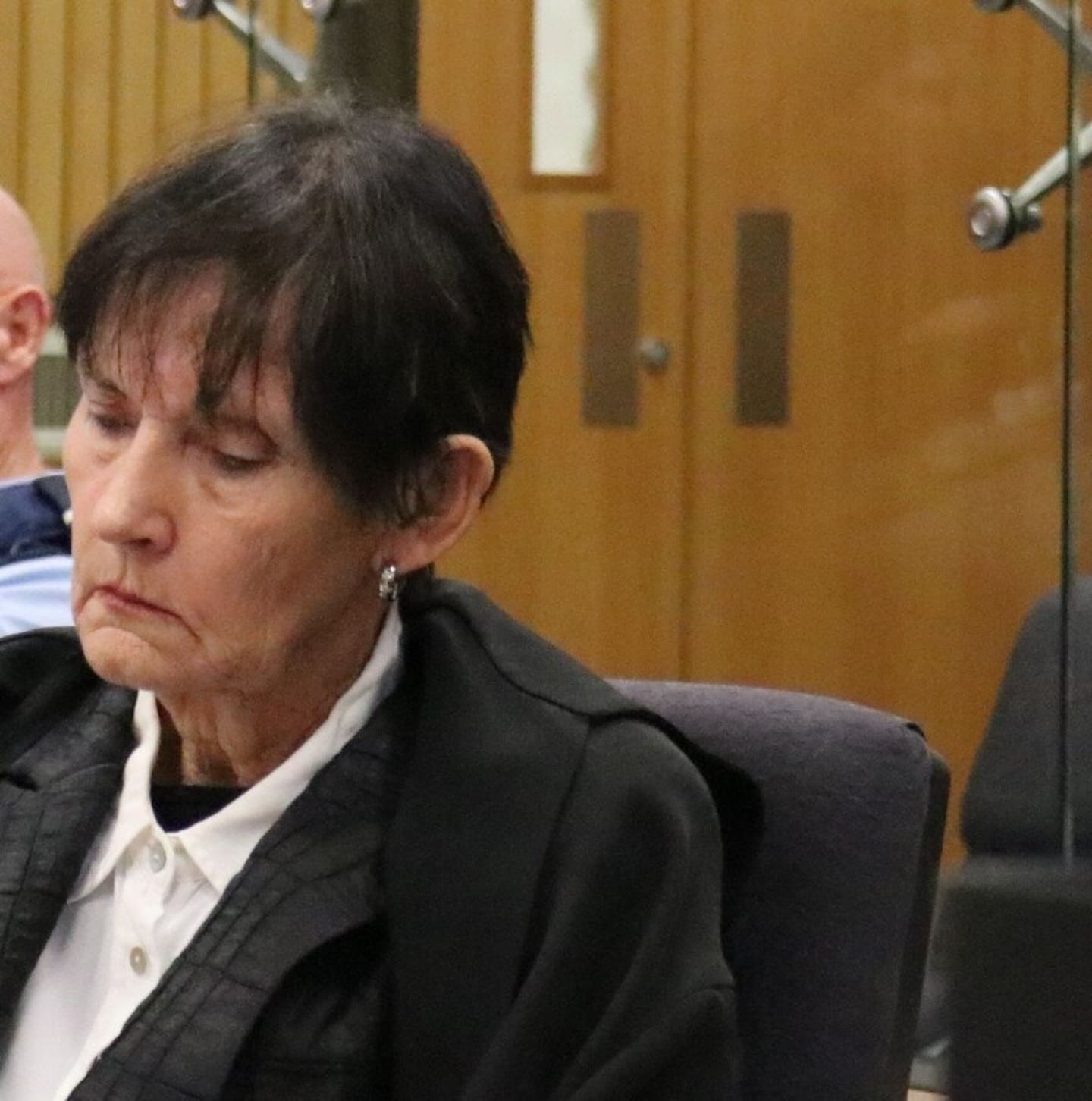
Marie Dyhrberg, KC, in the High Court at Nelson. She has conducted an extensive cross-examination of Dr Amin Roberts, who suspected medical child abuse in the case of Child X. Photo / Tracy Neal
He said in his statement that by November 2020, staff felt they had enough evidence to lodge a report of concern with Oranga Tamariki.
The mother was removed from the child’s care the same day. The child was transferred from intensive care to a ward in December 2020 and discharged in January 2021, with a primary diagnosis of medical child abuse, Roberts said.
He said the child continued to make good progress and was now fully orally fed and continued to gain weight.
Roberts said recovery of children with true intestinal failure did not make such a “marked rapid recovery in such a short period of time”.
Tracy Neal is a Nelson-based Open Justice reporter at NZME. She was previously RNZ’s regional reporter in Nelson-Marlborough and has covered general news, including court and local government for the Nelson Mail.

Take your Radio, Podcasts and Music with you
Get the iHeart App

Get more of the radio, music and podcasts you love with the FREE iHeart app. Scan the QR code to download now.

Download from the app stores


Stream unlimited music, thousands of radio stations and podcasts all in one app. iHeart is easy to use and all FREE


