

New Zealand is losing a large portion of its skilled professionals and fresh-faced graduates to a perception that more exciting, better paid opportunities lie across the ditch. In conversations with 10 of these Kiwis, reporter Eva de Jong asks, what is it about Australia’s allure?
Is Australia really the land of better opportunities? A steady flow of young Kiwis are voting with their feet in answer to this question.
This is not a new trend. Historically, in an economic downturn NZers have flown across the ditch. Most of those spoken to for this story are graduates or skilled workers who studied in NZ and have shifted to Australian cities with no intention of returning in the near future.
Stats NZ’s most recent data shows 48,000 people left for Australia in the year ended June 2025 - that number includes both NZ citizens and non-NZ citizens. The annual record for migrant departures to Australia was 62,800 in the June 2012 year. There are variations in the yearly size of the numbers, but the trend stretching back decades is of Kiwis continuing to leave.
There are two sides to this debate. Those who view the brain drain as an over-inflated, overly discussed issue that dominates headlines unnecessarily. They see the move as a rite of passage for young people, akin to heading on an overseas exchange. On the other side of the fence sit Kiwis concerned there is something deeper at play in the numbers exiting each year.
As NZ heads into an election year, it’s worth examining the issue through the eyes of those choosing to leave.
Promise of financial acceleration
Every single one of the 10 Kiwis interviewed for this story cited higher salaries as a motivation for moving.
Kelly McAree, 38, said that when she worked full time as a café manager in Auckland she was constantly in overdraft. A move to Melbourne has offered her financial security.
Working the same job in Melbourne, she could now afford a pet dog, whereas previously she was struggling to cover just her own needs.
“The hustle culture here is energising as opposed to NZ where it’s kind of miserable,” McAree says.
“When you look at the gap between housing costs and stagnant wages back home versus the earning potential here, Australia is the financially responsible answer.”
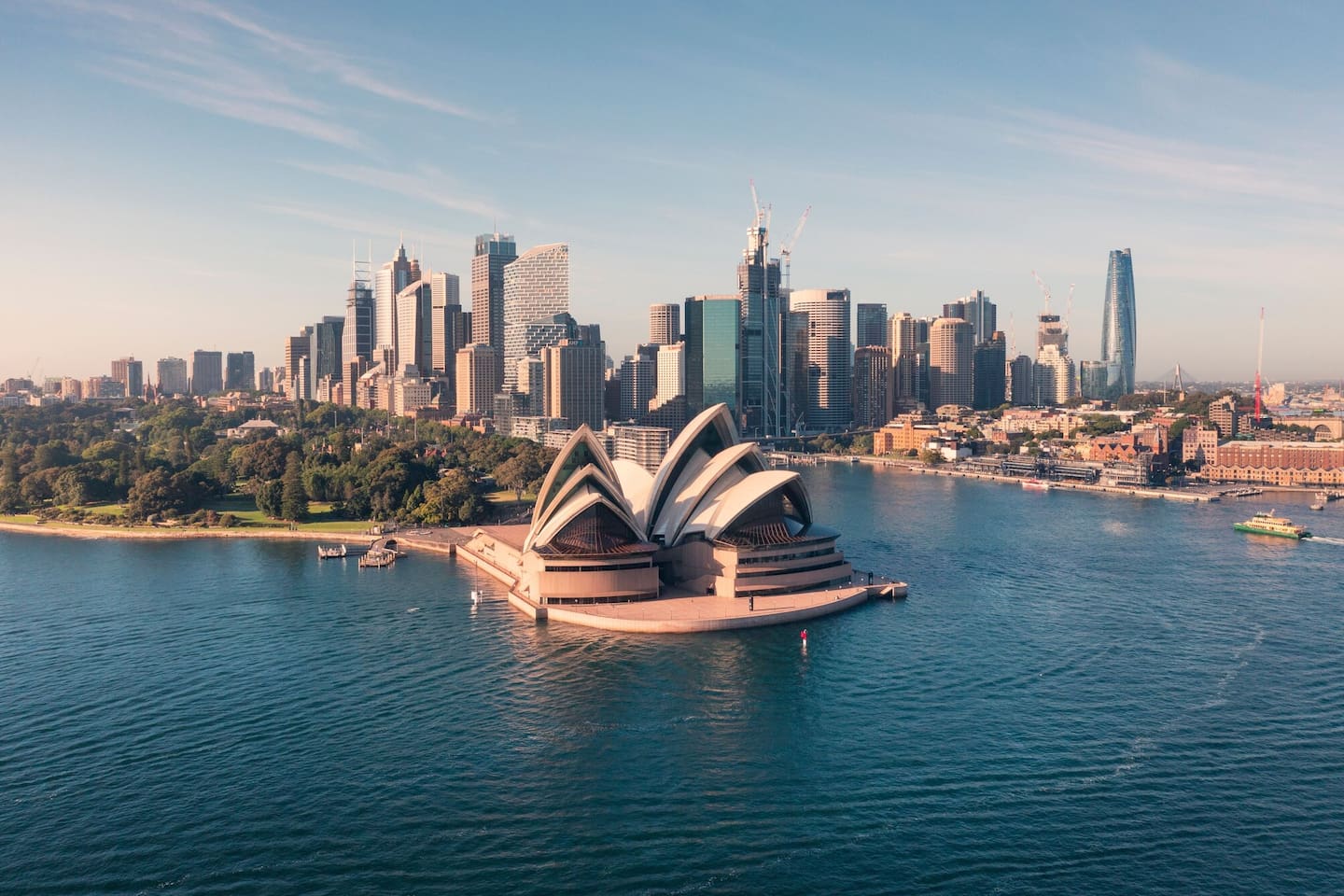
The Sydney Opera House and waterfront on a spellbinding day. Photo / Destination NSW
Opportunities to save and buy a home one day are driving trans-Tasman movement.
That’s the case for Aaliyah Fountain, who grew up in Kerikeri, and is now based in Perth and working as a FIFO Utility Attendant in the mines.
She works a two-week on, one-week off roster, with her site being roughly 850 kilometres away, about an hour and 45-minute flight north of Perth.
Site life is simple. Fountain works long shifts in up to 45C heat in the summer, and is surrounded by red dirt, trees and cows roaming around. There is also a gym and a swimming pool to cool off in on breaks.
The crew working on-site are extremely close and have become a second family to Fountain.
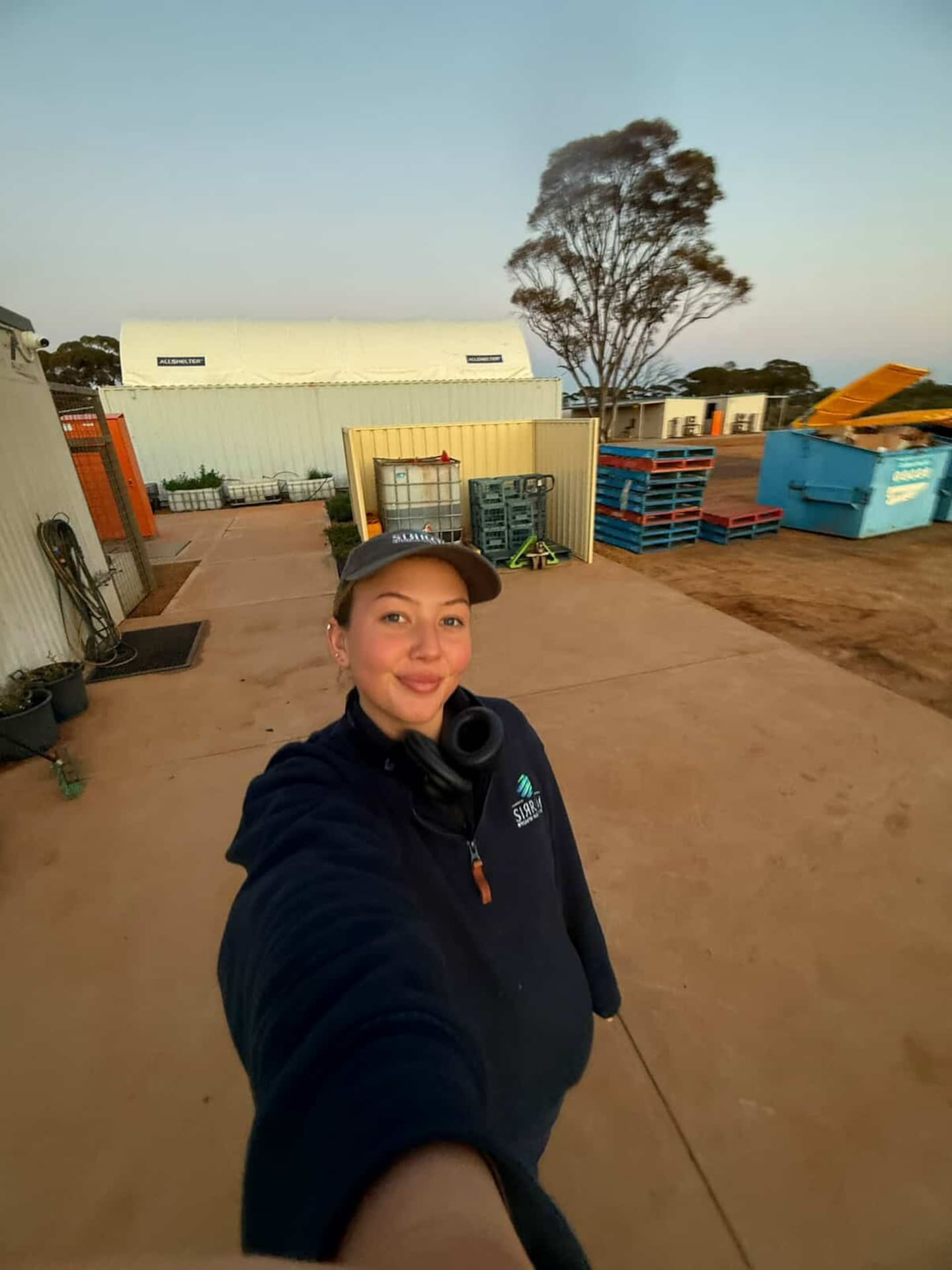
Aaliyah Fountain has traded life in the Bay of Islands for the lucrative benefits of FIFO mining work in Perth.
Despite the demands of the work and the brutal heat, she sees the benefit of the potential for financial acceleration as outweighing any of the downsides to the lifestyle.
Accommodation and meals are covered on-site which makes it easy to save if you are disciplined, and she now feels she has the chance to buy a house while still young, which felt out of reach back home.
“I do remember getting my first pay cheque and genuinely thinking it must have been a mistake,” Fountain says.
“I had never seen that kind of money before at my age.”
There are also long blocks of time off. Fountain plans to fly to Bali next week and then use annual leave to spend a month travelling in Vietnam.
In Melbourne’s oldest, bohemian suburb of Fitzroy, 41-year-old Kiwi Daniel Biddle finds life in the city is an introvert’s heaven. It’s easy to be anonymous, and there’s the sense that you can be alone without feeling lonely.
“Kiwis, especially Māori and Pacific Islanders, have seen our whānau move from Aotearoa to Australia for generations, and we’ve seen their successes,” Biddle says.
“We see their big houses, nice cars, and latest iPhones, and we want a piece of that. We see the money they bring to NZ on their visits home, it’s hot.”
Growing up in Wairoa, Biddle now works in a perfumery in Melbourne and says the initial cost of living there did come as a shock. Local kai and social offerings reflect the boujie-ness of the postcode you are in, he says, and it makes it easy to spend.
“I advise all my whānau looking to move over to arrive with a minimum of $10k–$15k in accessible savings, and even more if they have a partner or dependents ..."

Taranaki-raised Chad Kahui with his 3-year-old daughter Pippa and 4-year-old son Luca who were both born in Australia.
Born and raised in Taranaki, Chad Kahui [Ngāruahine, Ngāti Ruanui], aged 31, now works in scaffolding in Brisbane, Queensland as an operational supervisor.
Kahui was just 20 when he moved across the ditch with his partner and now-wife after feeling like he was stuck in a cycle where he wasn’t progressing.
He now has two toddlers born in Australia and the family has just purchased their first home.
When the couple first moved and got a rental property, despite both working fulltime, they were lucky to be left with $20 for food after covering all of their expenses.
“It’s not all rainbows and butterflies,” he says.
Living off the bare minimum for six months was tough, but their situation began to improve, and Kahui says for this reason the move is not for those who lack determination and aren’t prepared for the hard grind initially.
Youngsun An, aged 28, works as a software engineer in Sydney after studying at the University of Auckland.
As An sees it, NZ doesn’t hold as many opportunities for a young, ambitious professional.
The country’s biggest sectors are farming and tourism, he says, and if you’re not in those industries it often doesn’t make much economic sense to stay.
“You get paid more. The weather is better. There’s next to no friction when moving to Australia,” An says.
How serious is the brain drain?
Stats NZ data shows the estimated net migration loss for the year 2025 was 28,800 people. This was down from the year ended June 2024 when the net migration loss was 32,100 people.
When the brain drain was consuming headlines last year, the estimated net migration loss of 30,800 people in 2024 was still sitting below the record loss of 43,700 Kiwis in the March 2012 year.
Auckland University migration professor Francis Collins has extensively studied international migration for the past two decades and says the concept of a brain drain to Australia does deserve attention.
“It’s not a beat-up. Cumulatively, you’re looking at the equivalent of 800,000 odd citizens who have left New Zealand for various countries, mainly Australia, over the last four decades. That’s enormous,” Collins says.
“An important point is some of those people will be skilled and fit into the term of a brain drain but I think there’s a whole range of people who leave NZ and a whole variety of different occupations. Whether it’s a doctor or a truck driver, you can hop on a plane to Australia and start working tomorrow.”
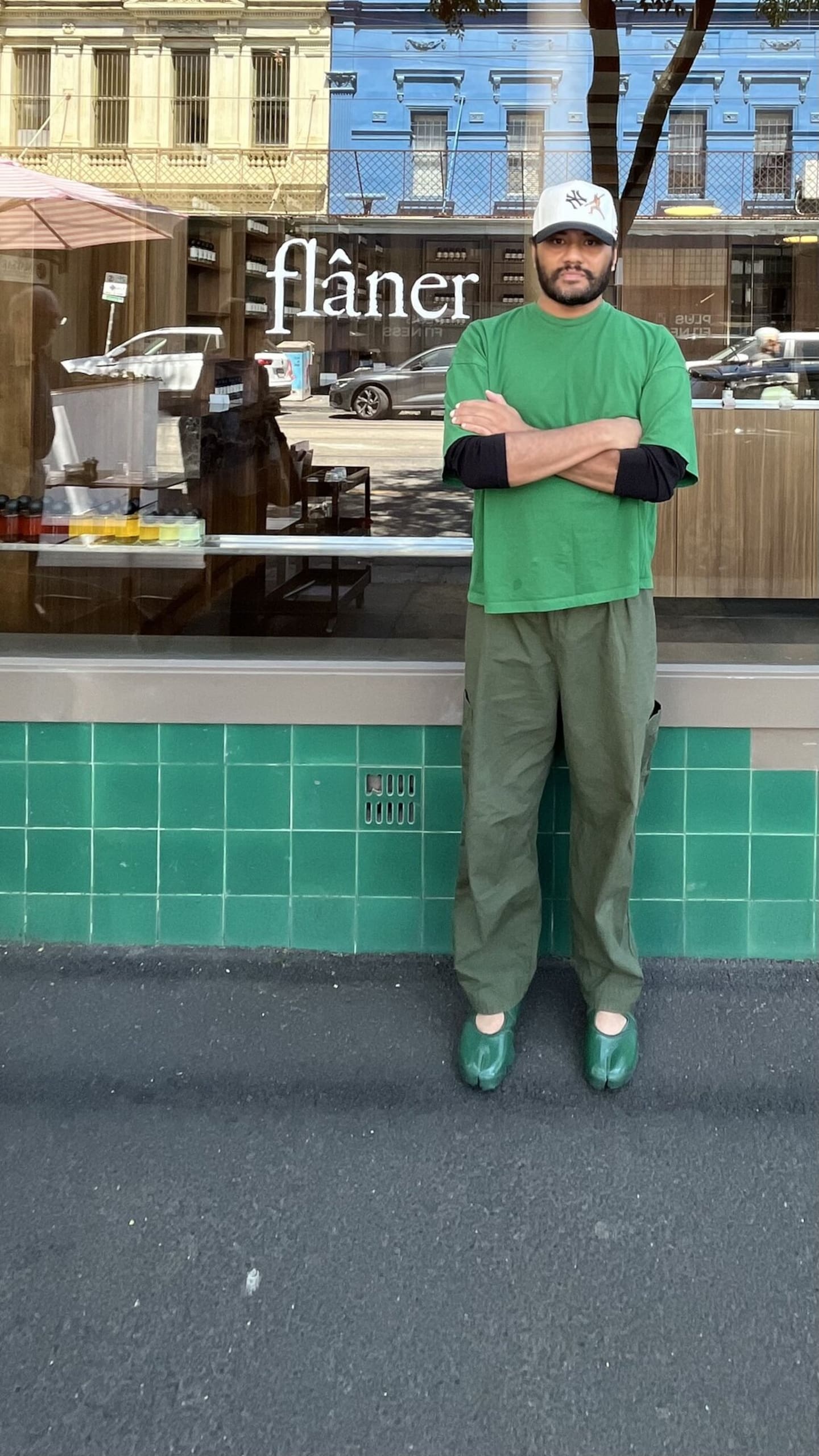
Daniel Biddle lives in Fitzroy, Melbourne and says the area is "filled with great Kiwis".
He says high levels of immigration to Australia for young people is likely being driven by perceptions about limited opportunities to get ahead in NZ, which could include comparatively high house prices and low wages or a lack of available jobs in the private and public sector for graduates.
Figures for the December 2025 quarter showed NZ’s unemployment rate was 5.4% – a 10-year high – whereas the Australian unemployment rate was 4.2% in November 2025.
Collins says social networks and connections to friends or family are often overlooked when it comes to discussing reasons for migration, but for many people a huge driver of movement is knowing someone in the place they are shifting to.
Sydney-based Youngsun An’s experience illustrates this trend, as his younger sister Yerin An also leapt across the ditch into a job as an engineer after finishing up her study at the University of Auckland.
“There were more career opportunities aligned to the sort of work I was interested in. The significant increase in pay also helped,” An says, as her reasons for moving.

Yerin An is settling into Melbourne life well but says she misses New Zealand's nature.
Collins says in the last 10-15 years government policy around immigration has shifted towards encouraging large numbers of people to enter the country on work visas, which means the net migration loss from citizens leaving to Australia is often being replaced with people who have fewer rights than citizens.
Homesickness and heartache for Kiwis
A move to Australia is often sold as a romantic hop over the ditch to blistering heatwaves and golden beaches that stretch out for miles, but parts of Aussie culture can jar with Kiwis and leave them missing home.
In Melbourne, 25-year-old Georgia Stephen who is in the middle of her PhD with the Department of Paediatrics at the University of Melbourne, says she always thought of Australia as being just a bigger version of NZ, but it can feel quite different to home.
“I was surprised at how much further behind Australia is with its political landscape and how much more marginalised their indigenous communities are, despite being an older country than we are,” Stephen says.
“I think Australia is even more racist and segregated than New Zealand, which was something I didn’t have much awareness of before moving, and [it] really disheartens me.”
In Brisbane, Kahui misses being directly surrounded and immersed in tikanga Māori and says that reality makes the distance of Australia from NZ tough.
“There are many things I do miss about home. The main thing is being involved with our culture and marae and the iwi, which is a massive thing,” Kahui says.
“It’s how I’d love my children to be raised, but man we’ve honestly created a great lifestyle over here. We implement a lot of our culture through our life at home, and we’re not letting go of that.”
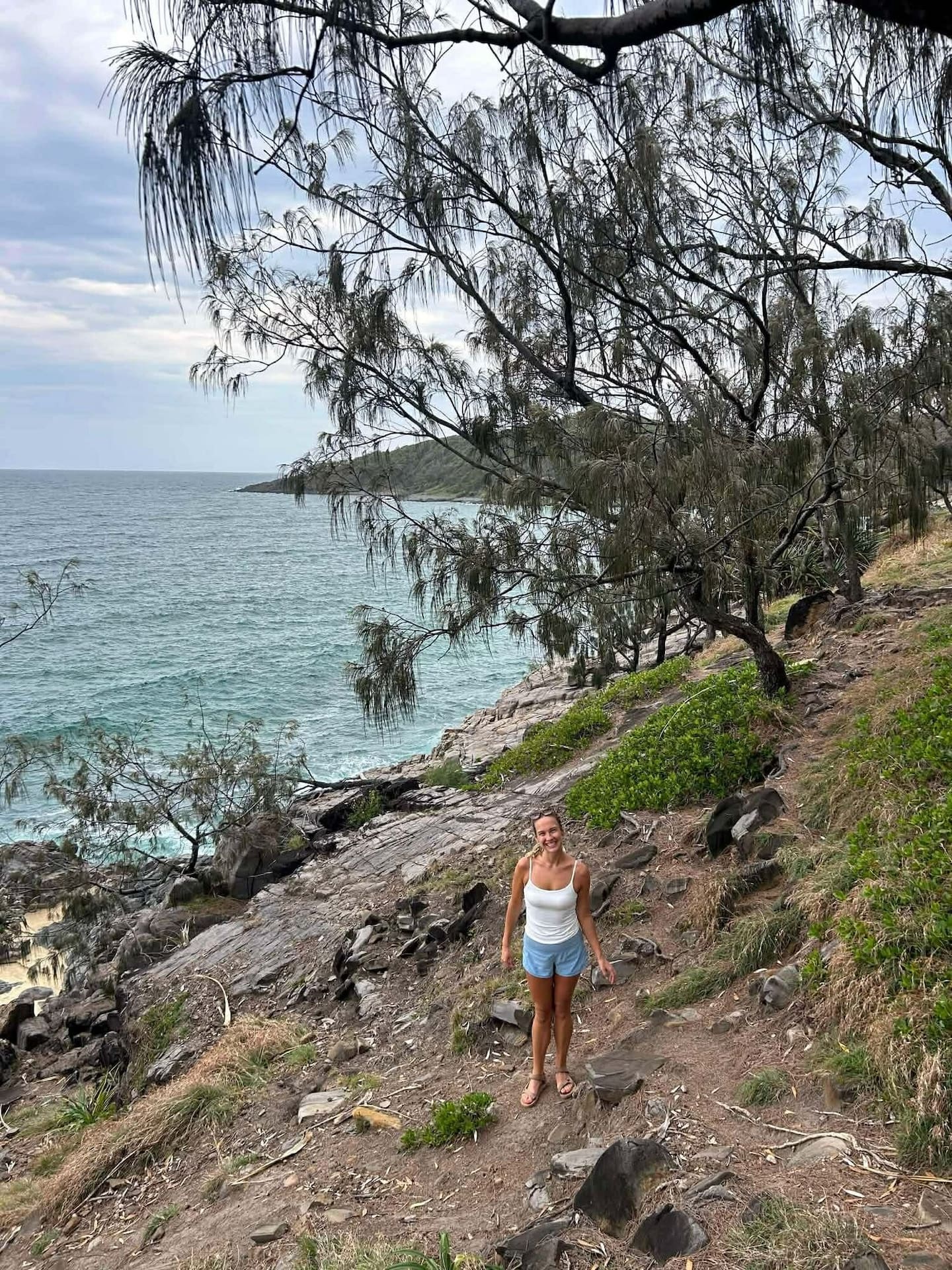
Although she loves Brisbane, Kiwi Annabel Fleming is set on moving home to Aotearoa in the future.
For Brisbane-based Kiwi Annabel Fleming, aged 25, not having to go through a visa process and being granted residency on arrival made the move seamless, but finding a place to live was a struggle when she initially landed in Melbourne.
“When we first got to Melbourne, we spent weeks going to multiple flat viewings a day that often had 100-plus other attendees all hoping to pay $600 AUD ($712) a week for a shoebox,” Fleming says.
“Finding a job without any connections or experience wasn’t a piece of cake either. That first year in particular was high highs and low lows.”
The seductive pull of the Aussie lifestyle
Beaches, pub culture and active living are part of the glamorous package being peddled out on Instagram to Kiwis about the lifestyle Australia offers young professionals.
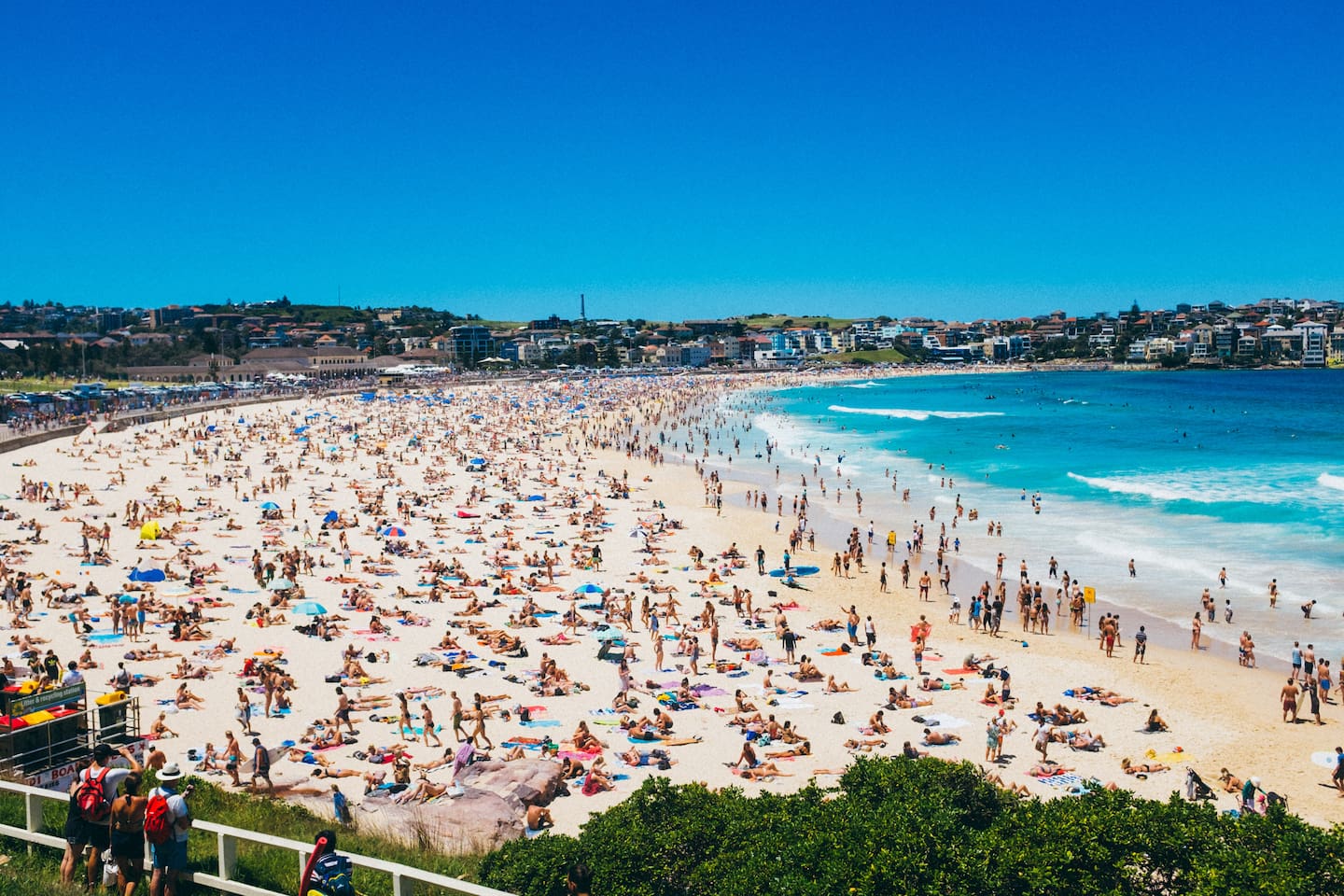
Young people in New Zealand can crave the energy, vibrance and crowds of larger cities. Photo / Jay Wennington.
For Kian Knight, a 25-year-old procurement consultant, life in Brisbane, Queensland offers easy to access good running routes, social spots, and quality pubs and restaurants, many within walking distance.
Previously, Knight was living in Wellington but says he’s been enjoying the brighter mornings and warmer climate, which make it easier to stay active and stick to a routine year-round.
“Not the biggest fan of alcohol prices, however, but it’s a fair trade off,” Knight says.
Kahui says he’s observed a lot of the Kiwis who end up in Australia are goal-driven and it shows in a heavy focus on earning and exercising.
“Over here for instance, 5.30am in the morning I’m down at the foreshore going for a run and it is chocka,” he says.
“There’s so many people out there rising early and getting amongst it.”
Auckland-raised Hannah Lu moved to Melbourne straight after leaving high school to study Communication Design at RMIT University, with the goal of securing a graduate job in the creative industry.
She felt it would be easier in a place like Melbourne that prides itself on its incredible culture, with its thriving live music scene and hosting of major sporting events like the Australian Open.
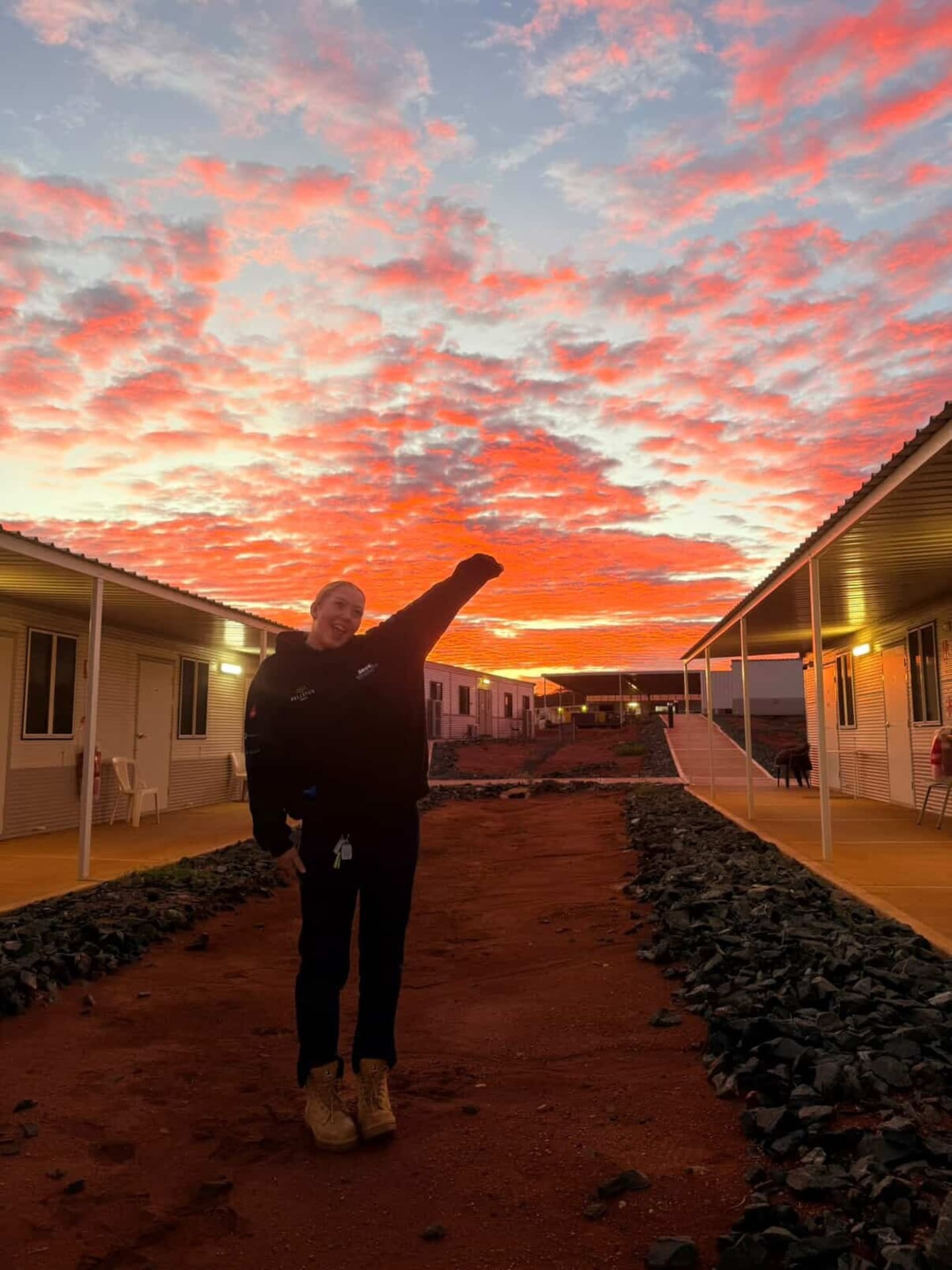
Aaliyah Fountain experiencing a stunning Perth sunset at her FIFO site.
“I’d describe my life here as fast-paced - there’s always friends to see and events to go to,” Lu says.
Lu was initially surprised by how often she was surrounded by international people and Kiwis who had emigrated to Melbourne rather than having grown up in Australia.
“I also feel like I’ve become more open minded and expanded my perspective, having met so many people who come from different backgrounds,” she says.
“I’ve always liked the idea of moving back to NZ when I eventually settle down, but I think it will ultimately depend on my circumstances - whether I’m able to secure a good job, and whether it feels realistic given the housing market and cost of living.”
Kiwis not coming home from Australia
A few years ago, Professor Collins conducted a research project which involved interviewing a selection of about 60 NZ citizens from a range of backgrounds and ages living in Brisbane, Sydney and Perth.
“Most people didn’t think they were coming back, that was a key reflection of the study,” Collins says.
“That sense that it’s difficult to return is probably an important finding that’s reflected in the patterns of net migration statistics. Over time, more and more people have gone and only a small proportion have returned.”
Kahui says despite his homesickness at certain times, the financial calculations of moving back home don’t stack up for him.
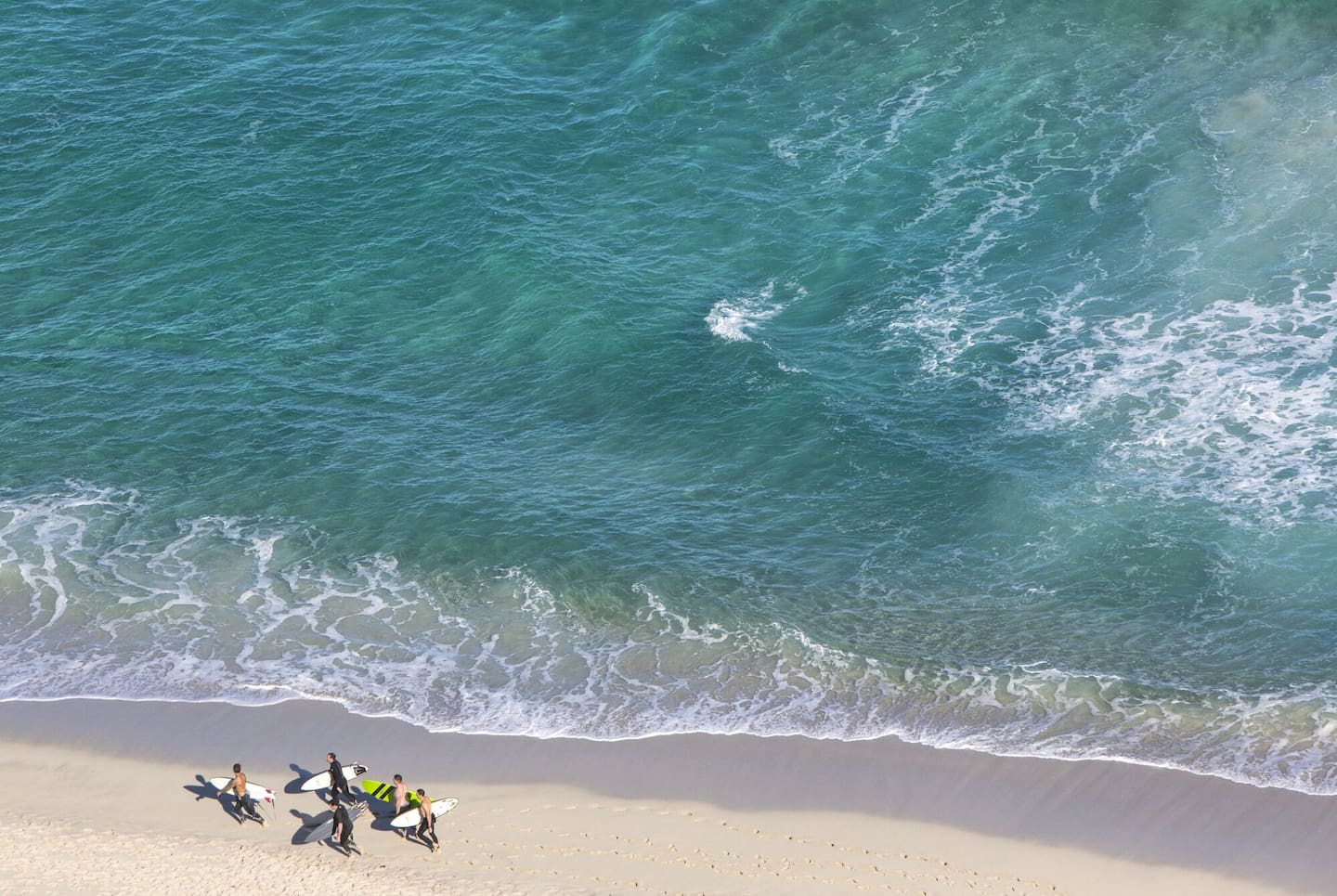
Surfers at Conto Spring Beach. Many Kiwis are chasing an active, romanticised Australian lifestyle. Photo / Tourism Western Australia
A trip home in the middle of last year served as a reminder when Kahui visited a NZ supermarket and says he was shocked at the prices.
“It was ridiculous. I honestly see why young people are moving abroad,” Kahui says.
“If I never had to work, I’d definitely live back home ... but at this stage of our lives and with what I want to provide for my family, I won’t be moving home.”
But for some, Australia has lost its shine.
After living and loving his time in Fitzroy, Melbourne, Biddle says he plans to return to Hawke’s Bay soon.
“Australia has the hustle that good ol’ Wairoa doesn’t, it’s why I moved here. But my circumstances have changed, I’m not keen to hustle any more, I’m looking for the quieter pace that Wairoa offers in buckets.”
In Queensland, Fleming says she is firmly set on moving home one day.
“Another benefit of moving away from NZ is that it has given me a deeper appreciation for how fortunate we are in Aotearoa to belong to such a remarkable place.
“And when I return home one day you won’t catch me taking it for granted,” she says.
Take your Radio, Podcasts and Music with you
Get the iHeart App

Get more of the radio, music and podcasts you love with the FREE iHeart app. Scan the QR code to download now.

Download from the app stores


Stream unlimited music, thousands of radio stations and podcasts all in one app. iHeart is easy to use and all FREE


