
Kiwi Tesla buyers feeling duped and taking company to court

By Ke-Xin Li of RNZ
Tesla owners around the world are taking the firm to court, accusing the electric car company of unmet promises.
During the company’s 2026 quarter one earnings call, many car owners’ dreams of sitting behind the wheel and letting the car drive itself were shattered.
“I wish it were otherwise, but Hardware 3 simply does not have the capability to achieve unsupervised FSD,” Elon Musk, the co-founder and CEO of Tesla, explained in a response. “We did think at one point it would have that.”
FSD stands for full self-drive, a capability Tesla sold to car owners for years with the promise that one day, their vehicle would be able to drive itself.
Benjamin Liu, a Tesla owner in New Zealand who had bought the capability in 2020, is taking his own action.
Liu is a big fan of Tesla, buying his car in 2017. He said the owner group was so small then that Tesla could afford to invite all the owners to functions.
“We show up, we have a drink, go on a boat trip, that kind of thing.”
He promoted the car to everyone he met and is still a strong believer in what the company is trying to achieve.
He said he has had a great experience with Tesla, but the unmet promise drove him to file a claim with the Disputes Tribunal. A hearing date is set for July.

Auckland lecturer Benjamin Liu paid $4800 for the full self-drive feature in 2020. Photo / Getty Images
In 2020, he paid $4800 for Tesla’s FSD. At the time, Musk promised the software would be available soon, and said the earlier you bought, the less you would pay.
Musk’s admission last month shattered Liu’s hope.
“I’m not saying this is fraudulent. I’m not saying Tesla or Elon Musk is lying. I’m simply saying what you [Tesla] said is misleading. I was misled. Let’s let the tribunal decide what is fair under the New Zealand law.”
In New Zealand, newer Tesla cars come with a hardware version called Hardware 4 – these cars have the memory space and cameras that allow drivers to use a supervised version of FSD. It allows the car to drive to destinations without the driver’s hands on the steering wheel, but requires the driver to constantly check the road and monitor the car.
Liu’s car is on Hardware 3, but he had a taste of Hardware 4 when he drove Tesla’s loan car as his was getting serviced and he loved the experience.
His friend also had a car with the function.
“She says ever since she has this full self-driving, she’s able to have coffee or do makeup when the car drives her to her office. She says it’s really, really useful. When she goes on a longer trip, again, it’s very stress-free.”
While Musk promised Tesla would build “micro-factories” around the world to update Hardware 3 cars, Liu is not sure when that will be fulfilled and whether it would cost him.
Liu has tried to negotiate with Tesla, which told him it would refund his 2020 payment of $4800.

Elon Musk has admitted Tesla’s Hardware 3 cannot support unsupervised full self-drive in the company's vehicles. Photo / Getty Images
But he is not happy with the offer. Buying the function now would cost more than $4800 after Tesla removed the option to buy it outright. The new deal is a subscription costing $159 a month – that $4800 refund would only last Liu 30 months of the service instead of a lifetime.
Plus, he would need to buy a new car that has Hardware 4.
Liu is a senior lecturer at the University of Auckland. He teaches commercial law and has worked at international law firms. He thinks he has a pretty strong case.
“In terms of the Consumer Guarantees Act, I think there are provisions saying that if you sell a service or product, that should be delivered within a reasonable period of time. And then in terms of the Fair Trading Act, the case against Tesla is even stronger because under the act, a trader like Tesla is not allowed to make misleading representations.
“But in this case, clearly, Elon Musk on behalf of Tesla has made numerous misrepresentations.”
Liu was not alone. Technology commentator Paul Spain bought his Tesla in 2019 and said he would not have bought the $85,000 car if it was not for the FSD promise.
“It certainly dents your confidence in the company, and whilst I think they’ve been an incredibly innovative company and they’ve really sort of spurned a global uptake in electric vehicles, they do seem to have really oversold the autonomous driving capabilities now over quite a period of time.”
He called on Tesla to make things right.
“They need to make the situation right with those that have made an investment in their technology and kept them in business, and ultimately made the business a very valuable business, because customers like those of us in New Zealand and around the world have bought into the promise of future capabilities.”
A search in the Motor Vehicles Disputes Tribunal showed over the past five years, six case decisions were made where Tesla New Zealand ULC was the respondent but none of them were about issues with FSD technology.
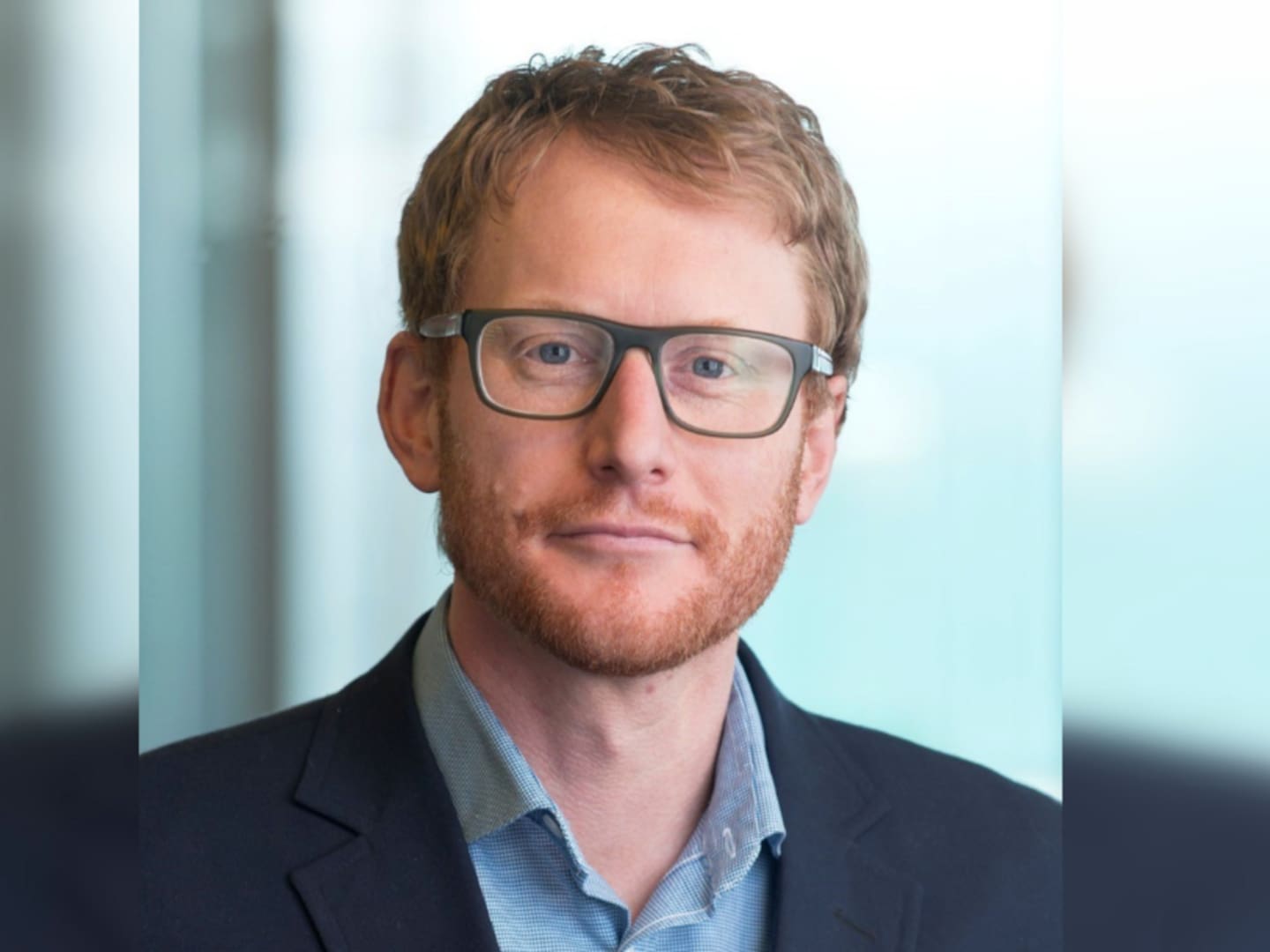
Consumer NZ CEO Jon Duffy.
Consumer NZ CEO Jon Duffy said in a statement that overseas companies selling goods and services in New Zealand were required to comply with our laws.
“However, enforcing the law can be difficult if the company doesn’t have a physical presence here or at least an email address for service.”
He said as Tesla does have a physical presence in New Zealand, resolutions can involve contacting Tesla for a refund, lodging a claim with the Disputes Tribunal or making a report to the Commerce Commission.
Tesla told RNZ it had no comment on the situation.
- RNZ
Take your Radio, Podcasts and Music with you
Get the iHeart App

Get more of the radio, music and podcasts you love with the FREE iHeart app. Scan the QR code to download now.

Download from the app stores


Stream unlimited music, thousands of radio stations and podcasts all in one app. iHeart is easy to use and all FREE


