

The Government’s ban on card surcharges appears to have stalled – with New Zealand First leader Winston Peters saying the bill’s “going nowhere”.
Prime Minister Christopher Luxon says they’re “taking a breather” on the policy – while Act’s leader is talking up concerns from retailers.
But the minister in charge, Scott Simpson, says he’s not aware of any disagreement in the coalition – and he’s still hoping for the ban to be in force by May.
The bill, announced last year, would ban retailers from charging for credit, debit and contactless payments – meaning businesses would be left to foot the bill.
It’s been roundly criticised by Retail NZ and various chambers of commerce – including the Auckland Business Chamber, led by former National Party leader Simon Bridges.
The bill passed its first reading in September, with a select committee reporting back in November.
It’s been on Parliament’s order paper since then – with a second and third reading yet to occur.
Asked whether the Government still plans to progress the bill, Luxon said the bill was “still under consideration”.
“We just want to make sure we understand all the implications before we push the final button on it.
“We want to take a breather and have a think.”
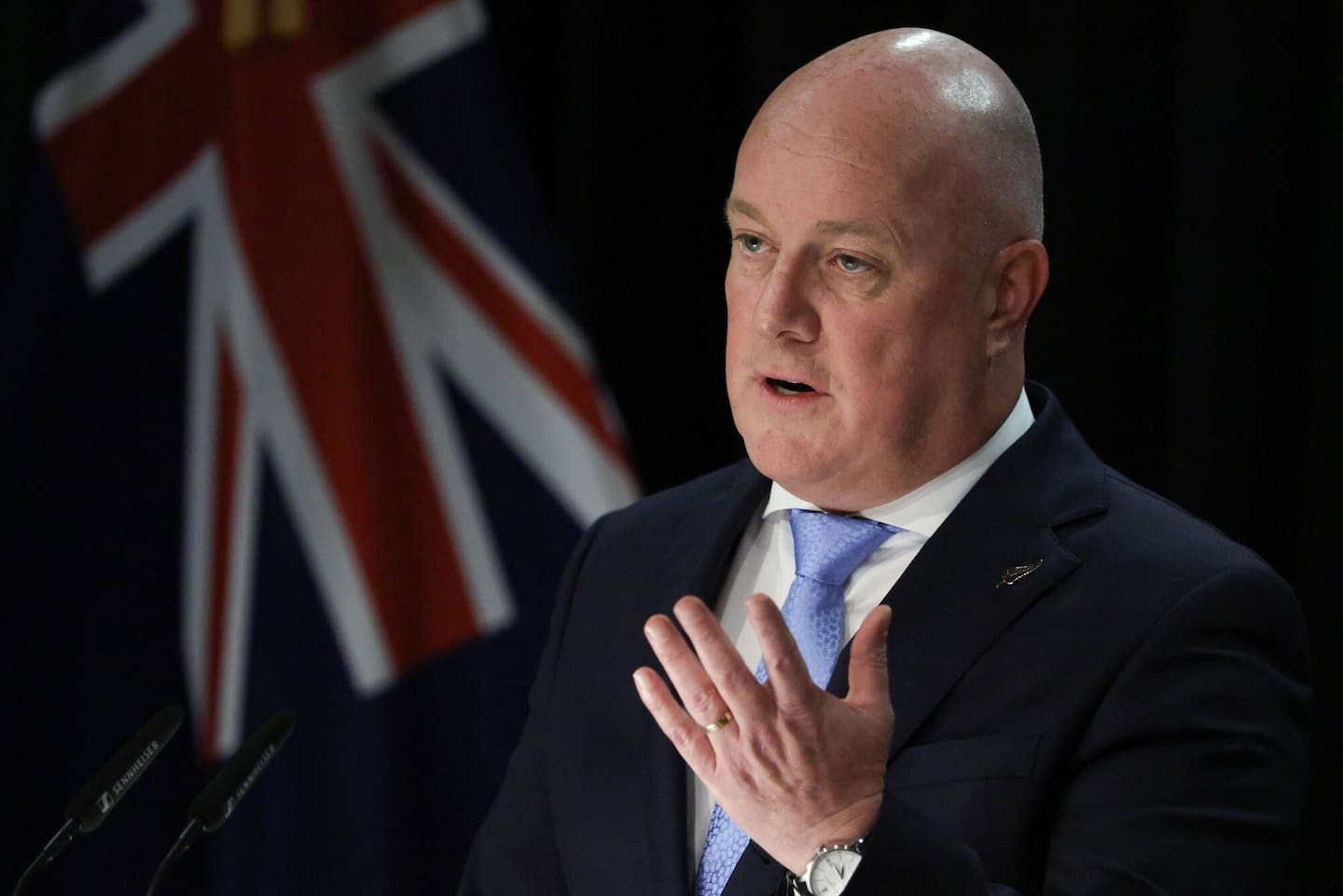
Prime Minister Chris Luxon says the Government's 'taking a breather' on the bill. Photo / Marty Melville
Act leader David Seymour said there were significant concerns from businesses.
“I’ve in particular listened to small business people saying we get a million bucks through our card system. A 2% fee we have to eat would be $20,000 and our small business can’t afford that.
“That’s why conversations carry on.”
But Commerce and Consumer Affairs Minister Scott Simpson, who’s in charge of the bill, didn’t signal any delays when asked – saying the bill was simply awaiting second reading amid a busy legislative agenda.
The following day, he provided a statement saying the Government’s plan to ban surcharges was unchanged.
“The work is continuing, but it is important for us to consider the feedback received during select committee, and more broadly.
“This feedback is under consideration now, and we will have more to say on the next steps on this bill in due course.”
An hour later, when asked why the bill hadn’t been progressed, Peters said it was “going nowhere”.
“That’s why it’s languishing.”
But Peters wouldn’t confirm his party’s position on the bill.
“When it turns up, I’ll tell you about it at the second reading.
“I’ll deal with it when the time comes.”
Asked about Peters’ comments, Simpson’s office said he had no further comment.
Retail New Zealand chief executive Carolyn Young said she’d heard there were “some challenges with the bill going ahead”.
She called on the Government to ditch the bill entirely – and go back to the drawing board and properly consult with merchants.
Bill would force up prices – officials
Officials at the Ministry of Business, Innovation and Employment (MBIE) found Kiwis pay between $45 million and $65m a year in surcharges, while the average consumer pays about $35 each year.
They also found consumers are often overcharged: the average surcharge costs double the fee paid by the merchant.
The ministry concluded that removing surcharges from credit, debit and contactless payments would streamline the consumer experience.
But it also found a ban would cause “many merchants to respond by raising prices across all consumers”, because retailers would be forced to pick up the cost of the fees, especially from high-fee credit cards.
Smaller merchants would bear the brunt of that, struggling to absorb additional costs and “leaving them particularly exposed”.
It could mean some merchants might stop accepting credit cards entirely.
Officials also found that a ban would affect competition among businesses.
Small businesses are paying fees as high as 2.5% when consumers use Visa or Mastercard cards, but larger businesses have greater negotiating power and often pay much lower fees.
“It is likely that the competitive position of smaller merchants will weaken relative to bigger competitors,” the briefing said.
The ban would also disproportionately target lower-income shoppers who pay with cash or Eftpos, who would effectively be subsidising those with reward-scheme credit cards that charge retailers higher fees.
Ethan Griffiths is a political reporter with Newstalk ZB, based in the parliamentary press gallery. He joined NZME as a print journalist in 2020, previously working as a general reporter in Whanganui and an Open Justice reporter in the Bay of Plenty and Wellington.
Take your Radio, Podcasts and Music with you
Get the iHeart App

Get more of the radio, music and podcasts you love with the FREE iHeart app. Scan the QR code to download now.

Download from the app stores


Stream unlimited music, thousands of radio stations and podcasts all in one app. iHeart is easy to use and all FREE


