Follow
the podcast on

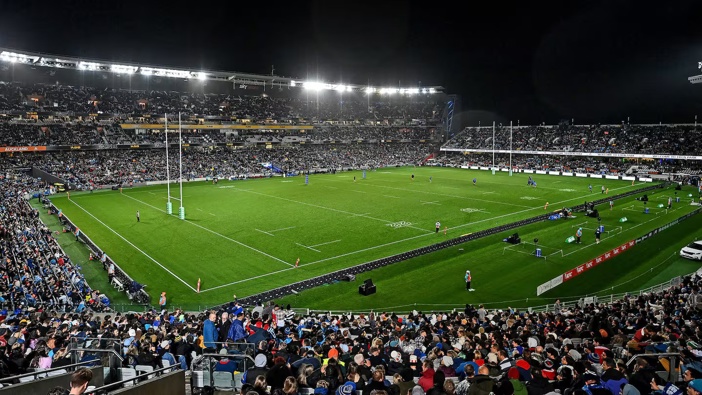
We thought we'd start with Eden Park given that the number of concerts allowed annually at the Auckland stadium will almost triple. Prime Minister Christopher Luxon, Auckland Mayor Wayne Brown, and Nick Sautner, CEO of Eden Park, among others, confirmed the details of a State of Origin fixture at a press conference at Eden Park this morning, along with the news that Eden Park will host up to 12 large concerts, 20 medium sized concerts per year on any day without having to go through the hoops of resource consent. At the moment, they can host 12 concerts and they can't be from more than six different artists or acts. So Ed Sheeran does two nights or the Hot Wheels does two days, but it can only be six artists or acts. Nighttime sport will also be allowed on any day including Sundays as long as the games finish by 10 30 And the first State of Origin match outside Australia in 40 years. That must have taken some negotiating. It is a lot and it's very exciting for Auckland and indeed for New Zealand. It's expected the State of O will attract more than 10,000 international visitors from Australia and when they come, they spend. The changes to Eden Park's rules and settings follow an investigation into whether the current rules for the park as set down under the Auckland Unitary Plan are limiting economic growth. And Chris Bishop said the investigation had found that, well, yes indeed, the rules are overly restrictive, out of step with modern stadium use, and are directly constraining economic activity. Eden Park CEO Nick Sautner says Eden Park has shown it's more than capable of hosting big events and he's pleased the government's giving them the opportunity to make the most of the stadium.
This weekend we've got the Edinburgh Tattoo. The Premier of Queensland came out yesterday and said $39 million of economic benefit. Jehovah's Witness delivered 3.5 million visitors to Auckland and New Zealand. So we are a strategic asset for New Zealand and a community asset for Auckland. I do want to acknowledge the community. We have over 97% support. This has been about engaging with the community, transparency, and also careful event management.
Yes, so you can understand why he's excited. You can understand why a lot of promoters, festival goers, sports fans are excited. But I do feel for the residents who bought their homes in the area knowing what the rules were at the time they bought the houses. Now they have seen the rules change. But so many people around the country have seen their neighbourhoods change around them. They are not isolated in this. People who bought a home with a lovely house next door, one careful set of neighbours, all of a sudden it's a great big housing development and where there was one house there are now 12 That is a big change for a neighbourhood. Nothing stays the same. It makes absolutely no sense to have a stadium that is only used a few times a year. And I'd go further and say it's immoral to have that amount of land, prime land in the inner city, being underutilised. If you are not going to use it as a stadium, then have the trust give it over to the government and build a Kāinga Ora housing development, put more people into homes in a prime position next to work, near play. You can't have a stadium sitting there doing nothing. That makes no sense at all. And if you've got a motivated trust and a motivated CEO that wants to do as much as they possibly can, and they have contorted themselves trying to come up with different ways to make use of the stadium. Art in the Park, beautiful event, not a traditional use for a sports stadium, but a successful one. There are so many ways to use the stadium. I accept that there will be much more disruption for those who have bought there, and for those who bought when the rules were what they were, I can understand why you'd be a bit grumpy. Nick says 97% of the community's on board, which is a pretty good stat if that is so. You can't hold back that kind of economic growth, that kind of success, that kind of feel good atmosphere because 3% of the neighbourhood's grumpy and doesn't want to share. I'd love to hear your thoughts on this. If your neighbourhood has changed and the rules have changed around you, can you understand the concerns that a few of the residents might have? For those who live in and around the area, is it going to be a win for you if you're a business? If you're a resident, can you put up with it for the sake of the wider good?
LISTEN ABOVE
Take your Radio, Podcasts and Music with you
Get the iHeart App

Get more of the radio, music and podcasts you love with the FREE iHeart app. Scan the QR code to download now.

Download from the app stores


Stream unlimited music, thousands of radio stations and podcasts all in one app. iHeart is easy to use and all FREE